The India Story (2026): A Powerful Idea Buried Under Awful Execution
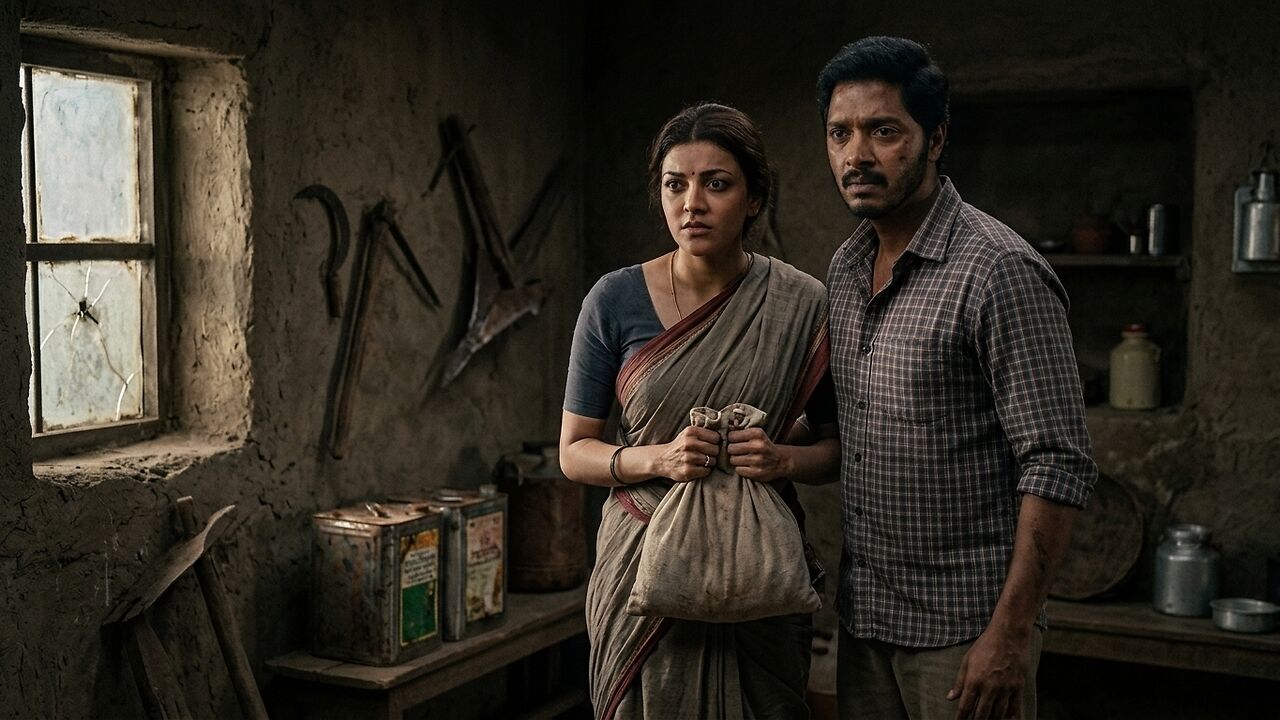
A 2/5 verdict on The India Story: a socially relevant pesticide-contamination drama let down by unconvincing performances, clumsy execution, sluggish pacing and a distracting soundtrack.
My rating: 2/5
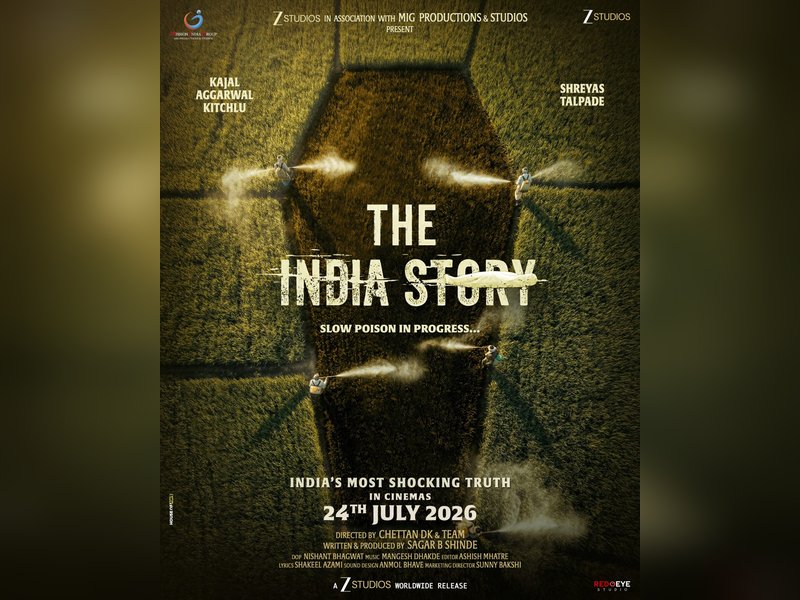
Director: Chetan DK
Runtime: Approximately 2 hours 30 minutes
Languages: Hindi, Tamil and Telugu
Reported Indian certification: UA 16+
Genre: Drama, Thriller
I went into The India Story genuinely hoping for a good film. Its subject had all the ingredients for a gripping, socially relevant drama: pesticide contamination, public health, corporate accountability and the devastating consequences when the people responsible for protecting ordinary citizens fail them.
This could have been a film that made you angry for the right reasons, moved you through its characters and left you thinking about its subject long after the credits. Instead, I found myself sitting through a frustratingly poor execution of a premise that deserved considerably more care.
As a film critic, I watched it through to give it a fair chance. But if you’re simply looking for something worth your evening, my recommendation is straightforward: skip this one.
A Promising Idea That Never Comes Together
The basic premise gives the filmmakers a serious story to tell. Pesticide contamination is not an abstract problem; it raises questions about food safety, public responsibility, corporate power and the lives caught in the middle. A courtroom and investigative drama built around those questions could have been compelling without sacrificing entertainment.
The trouble is that a relevant subject does not automatically make a compelling screenplay. The story needs believable people, convincing dialogue and a steady build of tension. The film needed to turn its big ideas into human moments that felt earned. For me, it rarely managed that transformation.
Too often, the dramatic situations felt like they were being pushed into place rather than developing naturally. I could see the message the film wanted to deliver, but I wasn’t consistently drawn into the story delivering it.
Kajal Aggarwal’s Performance Was My Biggest Disappointment
I found Kajal Aggarwal particularly difficult to connect with in this film. Her performance repeatedly felt unnatural to me, with emotional beats that came across as forced rather than lived-in.
There were moments when I genuinely wondered whether I was watching a finished performance or a rehearsal for a children’s show. That may sound harsh, but it reflects how disconnected I felt from the character on screen. The dramatic situations called for conviction and emotional credibility, yet I often found myself noticing the delivery instead of feeling the scene.
That is a serious problem for a film whose impact depends on getting the audience invested in its people. If the central performance doesn’t persuade you, the emotional stakes start to feel theoretical. You understand that the scene is supposed to matter, but you don’t necessarily feel it.
This is a criticism of her work in this particular film, not a verdict on her entire career. Here, however, the performance simply did not work for me.
Shreyas Talpade Is Wasted
Shreyas Talpade deserved better material. His presence should have helped give the story a more grounded emotional centre, but the film never gave me enough reason to feel that his character was being developed to its full potential.
A good actor can do a great deal with a strong script, but even talented performers need writing and direction that give their scenes purpose. When the characterisation and dramatic progression feel undercooked, an actor’s presence alone cannot rescue the film.
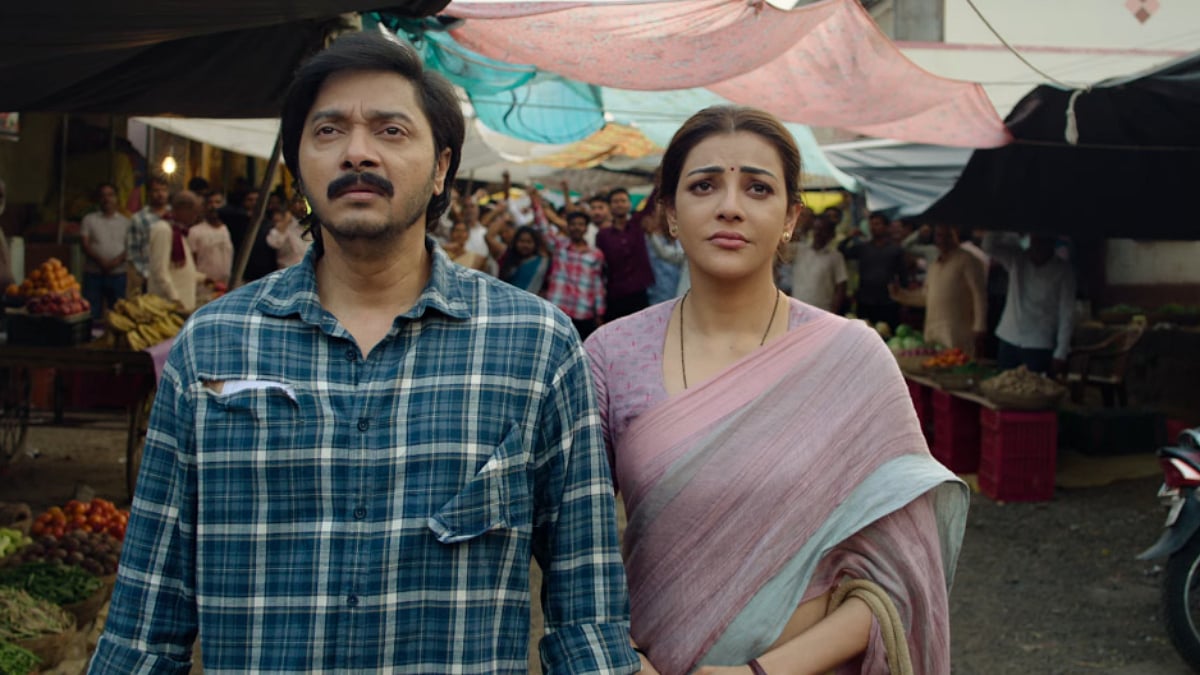
The wider ensemble also struggles to make the world feel consistently convincing. For me, the problem was not limited to a single awkward moment or one character. The performances often felt disconnected from the seriousness of the material, making it difficult to become immersed in the story.
The Film Is an Absolute Drag
At two and a half hours, The India Story needed a strong sense of rhythm. A film can take its time when the scenes reward that patience. Here, the pacing repeatedly tested mine.
The narrative felt longer than it needed to, and the dramatic momentum never became strong enough to carry the runtime comfortably. Rather than building tension and making each sequence feel necessary, the film too often left me waiting for the next meaningful development.
A tighter edit, sharper dialogue and more disciplined scene construction could have made a substantial difference. The subject matter is serious, but seriousness isn’t a substitute for pacing. A socially conscious film still needs to be a well-made film.
The Soundtrack Makes It Worse
The soundtrack was another major frustration. Rather than consistently supporting the drama, the music often felt intrusive and overbearing to me. It underlined emotions that the performances and scenes had not convincingly established on their own.
A score should deepen a moment, build atmosphere or create tension. When it calls attention to itself for the wrong reasons, it can make an already awkward scene even harder to take seriously.
Combined with the weak performances and sluggish pacing, the soundtrack made the viewing experience more exhausting than it needed to be. I wanted to be absorbed in the story; instead, I was too often aware of the film trying to tell me how I should feel.
A Worthy Message Is Not Enough
I don’t object to films that tackle uncomfortable subjects or make an explicit social argument. Cinema can be a powerful way to explore public-health failures and the consequences of negligence. The subject at the centre of The India Story deserves attention.
But a worthy message cannot be used as a substitute for compelling writing, credible performances, confident direction and effective editing. Those elements are how a film makes its message resonate rather than simply announcing it.
That is the central disappointment here. The premise had potential, but the execution repeatedly undermined it. The film asks its audience to care about serious issues without consistently doing the dramatic work necessary to make that concern feel personal.
Parental Guidance
The film is reported as UA 16+ for Indian theatrical release. IMDb’s user-contributed Parents Guide describes violence and gore as severe, including shootings with blood, repeated slapping, gunfire, explosions and close-up depictions of illness and open wounds. It also flags threats, riots, medical distress and emotionally difficult imagery connected to famine and pesticide exposure. Profanity is listed as mild, with no sex or nudity or alcohol, drugs and smoking reported in that guide.
This is a summary of the available user-contributed guidance, not an official scene-by-scene assessment. Viewers sensitive to graphic illness, violence or distressing depictions of suffering may wish to take it into account.
Final Verdict: Save Yourself the Time
I really wanted The India Story to work. The premise could have supported a gripping, affecting drama, and the subject deserves thoughtful treatment. Unfortunately, the film I watched was an abysmal experience: Kajal Aggarwal’s performance failed to convince me, Shreyas Talpade felt wasted, the pacing dragged and the soundtrack made the whole thing harder to sit through.
Something went badly wrong between the idea and the finished product. Whether the problem lay in the screenplay, the direction, the performances or the production’s creative decisions, the result never came together as the film it could have been.
I sat through it because reviewing a film means giving it a fair chance. That doesn’t mean I can recommend that everyone else do the same.
My rating: 2/5.
The idea deserved better. The execution didn’t deliver. Save your time and watch something else.
Promotional artwork and stills credited to their respective publishers.
Keep exploring
More reviews across movies, series, games, products, restaurants and food — all in one place.
Go deeper
More to Explore
Reviews are only part of the conversation. Explore related stories, guides and ideas.
Indian Spy Thrillers to Watch After Special Ops
Finished Special Ops? Here are Indian spy thrillers and intelligence dramas to explore next, from The Family Man and Mumbai Diaries to newer takes on the genre.
Read more →What to Watch After Tehran: 10 Espionage and Thriller Series to Watch Next
Finished Tehran? Here are 10 espionage, intelligence and thriller series to consider next, from Slow Horses and Jack Ryan to The Night Agent and The Day of the Jackal.
Read more →Kaantha (2025): Cast, Story, Genre & Where to Watch
A factual guide to Kaantha, the 2025 Tamil drama about a film set in the 1950s where creative control becomes a battle of egos.
Read more →More than a rating
A rating is only the final expression of the review. The real value is in the argument, the context, and whether this is something I would actually recommend spending your time on.
Stay in the loop
Follow Nilaanjan
Get new movie and series reviews, OTT guides, explainers and selected entertainment stories delivered to your inbox.


What do you think?
Share your thoughts, reactions, or perspective. Comments are moderated before they appear publicly.
Leave your thoughts