The Fall of the House of Usher Review: A Bloody, Brilliant but Uneven Mike Flanagan Nightmare
Mike Flanagan brings gothic dread, gruesome deaths and an outstanding ensemble to The Fall of the House of Usher, but the storytelling feels stretched and the horror never fully lands. Our review.
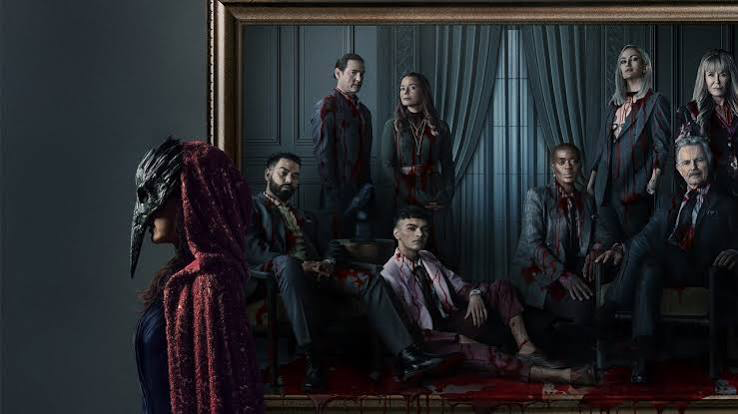
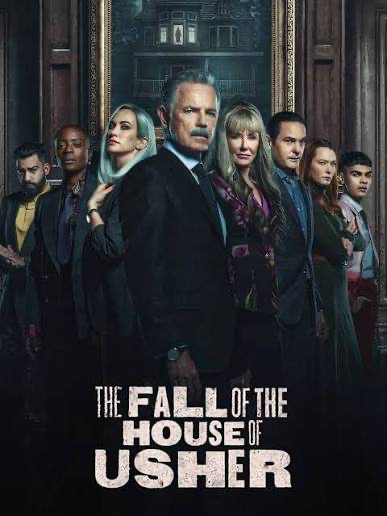
There are very few creators whose names alone can make me press play on a horror series, and Mike Flanagan is firmly one of them. His work has a particular way of getting under your skin: the supernatural scares are usually only one layer, with grief, guilt, family, faith and the messiness of being human doing just as much of the frightening. That is the Flanagan experience I keep coming back for. The Fall of the House of Usher has plenty of the ingredients I enjoy in his work — disturbing imagery, sudden jump scares, a stacked cast and a story with a dark heart — yet, despite all that, it never quite gave me the complete Flanagan experience I was hoping for.
To be clear, I enjoyed the show. There is a lot here to appreciate, and I would not tell horror fans to skip it. But I kept waiting for the series to click into that higher gear where the atmosphere, writing, performances and emotional weight come together so naturally that the horror stays with you long after the credits. It gets close at times. It just does not get there consistently enough for me to award it a four out of five.
The Setup: A Family Empire Built on Rot
The series centres on Roderick Usher, the powerful head of a pharmaceutical empire, and his twin sister Madeline. Their wealth and influence have protected the family for years, but their carefully constructed dynasty begins to collapse as Roderick’s children die under increasingly horrific circumstances. A conversation with C. Auguste Dupin, the prosecutor who has spent years pursuing the Ushers, becomes the framework through which the family history and its buried secrets are gradually revealed.
Created by Flanagan and inspired not only by Edgar Allan Poe’s story of the same name but by several of Poe’s works, this is gothic horror reworked as a modern tale of money, privilege, corruption and consequence. The premise is strong. It gives the show a clear central mystery, a large collection of flawed characters and an opportunity to turn each new chapter into its own nightmare while contributing to the wider story.
That structure is one of the show’s biggest strengths. It also creates a challenge: with so many characters, tragedies and thematic ideas competing for attention, the series sometimes feels more interested in delivering the next shocking moment than allowing the current one to breathe.
Mike Flanagan’s Signature Is Here — But the Feeling Is Different
The visual language is immediately recognisable. There are shadow-filled rooms, unsettling figures, carefully composed frames and an ever-present sense that something dreadful is waiting just outside the edges of the image. Flanagan knows how to build anticipation, and the show makes effective use of that ability. Some of its most uncomfortable moments come from the simple feeling that a character is not alone, even when the room appears empty.
But atmosphere alone is not what makes Flanagan special to me. In his strongest work, horror and human emotion are inseparable. The frightening moments often feel like extensions of the characters’ wounds, fears or relationships. Here, I found myself admiring the craft more often than feeling deeply unsettled by it. The show has the darkness, the grotesque imagery and the occasional sharp jolt, but the emotional connection that can make his other stories so affecting is less consistent.
That is the distinction behind my reaction. This is recognisably a Mike Flanagan series, and it has many of the elements I look for in one. Yet having those elements present is not the same as having them come together in the most satisfying way.
The Horror: Effective Shocks, Not Always Lasting Fear
Let me give the show credit where it deserves it: the scares are there. The jump scares can be effective, the imagery gets properly gruesome, and the series is not afraid to make its deaths disturbing, grotesque or downright shocking. There are scenes that will stick in the mind simply because of how far the show is willing to go. Viewers looking for blood, macabre set pieces and a steady supply of morbid surprises will find plenty to talk about.
The issue is not that The Fall of the House of Usher lacks horror. It absolutely is a horror series. My problem is that it did not feel like the kind of horror I most enjoy from Flanagan. The difference is between being startled or repulsed by what appears on screen and being genuinely consumed by dread. The series delivers the former more reliably than the latter.
At times, the gruesomeness feels like the main event rather than one part of a larger emotional or psychological experience. A shocking death can be memorable, but shock by itself has a limited shelf life. I wanted more moments where the fear grew organically out of the characters and their choices, leaving me uneasy even after the scene ended. There are flashes of that, but not enough to make the entire series land at the level I hoped for.
The Writing and Screenplay: Ambitious, Clever, Occasionally Overworked
The writing has clear ambition. Bringing together Poe-inspired characters, motifs and ideas in a contemporary story about a pharmaceutical dynasty is a compelling concept, and the series has fun connecting its literary influences to the modern world. The narrative gives viewers plenty to piece together, and the mystery surrounding the family’s history helps propel the story forward.
However, good ideas do not automatically make a flawless screenplay. I found the storytelling uneven. Some developments are effective, while others feel stretched out or less convincing than they should. There were moments when I understood what the series was trying to say but was not fully persuaded by how it arrived there. A few turns felt more convenient or exaggerated than organic, and some scenes seemed to linger longer than their dramatic purpose required.
The show also has a tendency to explain and underline its themes. The material about wealth, corporate greed, inherited power and the consequences of exploiting others is relevant to the story, but occasionally the dialogue feels as though it is making sure the audience gets the point rather than trusting the narrative to communicate it. The ideas are worthwhile; the delivery is not always as subtle or sharp as it could be.
None of this means the screenplay is bad. There is craft, structure and plenty to admire. But for me, the writing is good rather than exceptional, and the uneven pacing and occasional logic gaps keep it from reaching the level of Flanagan’s most accomplished work.
The Pacing: When Eight Episodes Feel Longer Than They Need To
This is where my enjoyment started to lose momentum. The series has a lot of story to tell, and its chapter-based approach gives different members of the Usher family time in the spotlight. That can be engaging, especially when a character’s personal story connects meaningfully to the larger mystery. But the repetition of the broad pattern — character focus, mounting unease, horrific payoff, then a return to the wider family story — can begin to feel predictable.
Some stretches are deliberately slow, and slow horror is not a problem in itself. I am happy to sit with a patient build-up when the atmosphere deepens, the characters become more complex or the eventual payoff earns the wait. Here, though, the slower stretches sometimes felt more like delay than accumulation. The story pauses when I wanted it to tighten, and certain developments take longer to reach their destination than their impact justifies.
The result is a series that I enjoyed in parts but did not always find as gripping as it should have been. I was invested enough to keep watching, yet I could also feel the drag. A tighter edit and a little more confidence in the audience would, in my view, have made the overall experience stronger.
The Cast Is One of the Show’s Biggest Wins
If there is one department where I have very few complaints, it is the acting. The ensemble is excellent, and the cast gives the series a great deal of its personality. Bruce Greenwood brings authority and weariness to Roderick Usher, making him feel like a man who has spent a lifetime building a fortress around himself. Mary McDonnell gives Madeline a cool, formidable intelligence, and the dynamic between the twins is central to the show’s dark appeal.
Carla Gugino is another standout. She brings an unsettling mixture of charm, mystery and menace to Verna, making the character compelling even when the series is being deliberately opaque. Carl Lumbly gives C. Auguste Dupin a grounded presence that helps anchor the story, while Mark Hamill is memorable as Arthur Pym, a man whose controlled exterior makes him fascinating to watch.
The wider cast is equally important. Henry Thomas, Kate Siegel, Rahul Kohli, Samantha Sloyan, T’Nia Miller and Sauriyan Sapkota each help distinguish the members of the Usher family rather than letting them blur into one large collection of doomed heirs. Zach Gilford, Willa Fitzgerald, Katie Parker, Ruth Codd, Kyliegh Curran, Michael Trucco, T’Nia Miller’s fellow ensemble performers and the supporting cast all contribute to the series’ sprawling world.
What I appreciate most is that the performances are committed to the show’s heightened tone. The material can be theatrical, darkly comic and melodramatic, and the actors understand the world they are inhabiting. Even when I questioned a story decision, I rarely questioned the effort or conviction behind the performance. The cast deserves a lot of credit for keeping the series watchable through its less effective stretches.
Characters, Consequences and the Weight of the Story
Beneath all the blood and spectacle, the story is about a family that has confused power with immunity. The Ushers have accumulated wealth and influence, but neither can protect them from the consequences of their actions. The series explores how greed becomes a legacy, how people justify the damage they cause and how a family can be held together by status while being emotionally hollow underneath.
Those ideas give the horror a purpose beyond the next grisly sequence. The family’s fortune is not simply background detail; it is part of the moral machinery of the story. The show wants us to consider what happens when a powerful institution treats human suffering as an acceptable cost of doing business, and how the people who benefit from that system convince themselves they are untouchable.
I found that foundation interesting, even when the storytelling occasionally pushed its themes too hard. There is a satisfying bleakness to a story in which wealth cannot buy an escape from accountability. But the emotional effect varies from character to character, and not every storyline hit me with the same force. Some arcs feel more fully realised than others, while some of the show’s most important ideas are delivered more effectively in concept than in execution.
Cinematography, Production Design and Sound
Visually, the series knows exactly what kind of world it wants to create. The grand interiors, heavy shadows, imposing architecture and controlled compositions make the Usher world feel both luxurious and rotten. The production design is particularly effective at presenting wealth as something oppressive rather than aspirational. The setting looks expensive, but it rarely feels comfortable.
The cinematography complements that atmosphere, moving between elegant compositions and imagery designed to make the viewer uneasy. The contrast between polished surroundings and disturbing events is a useful visual expression of the show’s central contradiction: everything looks carefully maintained until the rot becomes impossible to hide.
Sound and timing also play their part in the scares. Sudden shifts can be startling, and the show understands how silence or an ominous pause can prepare the audience for something unpleasant. These technical elements are among the reasons the series remains engaging even when the narrative slows. The craft is strong, and it gives the story a consistent visual identity.
Is It Proper Horror? Yes — But Not the Horror I Wanted
I want to be careful with this point because I do not want my criticism to sound as though the series is not horror. It is. It features frightening sequences, jump scares, disturbing deaths, gore and a constant supernatural threat. For viewers who want a graphic, gothic horror story with a darkly comic edge, there is plenty here to enjoy.
What did not fully work for me was the balance. I wanted the fear to feel more psychologically penetrating, the character drama to carry more emotional weight, and the quieter moments to build a deeper sense of dread. The series can shock, but it does not always haunt. It can be clever, but it does not always feel as emotionally resonant as the best of Flanagan’s work.
That is a personal distinction, not an objective rule for what horror must be. Some viewers may prefer the show’s heightened, gruesome approach precisely because it is so extravagant. For me, the strongest horror is not only what a series puts on screen, but what it makes me feel about the characters and what lingers in my mind afterward. The Fall of the House of Usher gives me enough of that to appreciate it, but not enough to call it a favourite.
Who Should Watch It?
If you enjoy Mike Flanagan, gothic horror, elaborate mysteries, morally compromised characters and an ensemble cast that clearly relishes the material, this series is worth your time. It is also a good choice for viewers who enjoy horror that blends supernatural elements with satire and a story about power, greed and consequences.
If you are coming to it after Flanagan’s most emotionally affecting work and expect the same combination of intimate character drama and lingering psychological dread, I would temper those expectations. There is a lot to like here, but it may not deliver the same experience for everyone. I would also recommend approaching it as a deliberately graphic adult horror series rather than a casual, lightly spooky watch.
Parental Guide: Is The Fall of the House of Usher Suitable for Children?
Age rating: TV-MA. Recommended for mature audiences, not children. Common Sense Media recommends the series for ages 17 and up. The content includes very graphic violence and gore, explicit sexual content and nudity, frequent strong language, and recurring depictions of alcohol and drug use. Addiction and the consequences of the opioid crisis are central themes rather than incidental references.
- Violence and gore: Very strong. The series features gruesome deaths, graphic injuries, disturbing imagery and scenes involving animal harm and medical experimentation.
- Sex and nudity: Strong. There are explicit sexual situations, sexualised imagery and nudity.
- Language: Frequent strong profanity and graphic sexual references.
- Drugs, alcohol and smoking: Recurring substance use, including drug misuse; addiction is a major part of the story.
- Disturbing themes: Death, suicide-related material, family trauma, exploitation, corruption and the consequences of addiction.
This is a content summary, not a substitute for checking the episode-specific guide if particular triggers are a concern. The series is intended for adults and is not suitable for younger viewers.
Final Verdict: Worth Watching, Just Not Among Flanagan’s Best
I genuinely enjoyed The Fall of the House of Usher. It has a terrific cast, a compelling central premise, striking production design, effective jump scares and some truly gruesome horror. The storytelling is ambitious, and there is enough cleverness in the way it brings Poe-inspired ideas into a modern story to make it worth watching. This is not a series I would tell people to avoid.
But I also cannot ignore the drag in the pacing, the uneven screenplay and the moments where the narrative did not fully make sense to me. More importantly, it never quite delivered the complete Mike Flanagan experience I was hoping for. The horror is present, but it did not consistently get under my skin in the way his strongest work has. The performances and craft are strong enough to keep the series engaging, yet the whole never feels as powerful as its individual parts suggest it could be.
I tried to push this rating to a four out of five. I really did. But every time I weighed the excellent acting and memorable scares against the uneven pacing and the emotional impact that felt missing, I landed in the same place.
My rating: 3.5/5.
This is a definite one-time watch, and I would recommend it to horror fans — especially those who appreciate Flanagan’s gothic style. I would simply put it behind his strongest work rather than making it the first title I recommend to someone discovering him. Watch it when you have worked through the greats, but do not miss it entirely. There is plenty here to appreciate, even if it never quite becomes the nightmare masterpiece I wanted it to be.
Have you watched The Fall of the House of Usher? Did the gore and jump scares work for you, or were you also waiting for that unmistakable Mike Flanagan emotional punch? Share your thoughts in the comments.
Editorial note: The series premiered on Netflix on 12 October 2023. This review reflects a personal viewing opinion; the parental guide summarises publicly available content guidance.
Keep exploring
More reviews across movies, series, games, products, restaurants and food — all in one place.
Go deeper
More to Explore
Reviews are only part of the conversation. Explore related stories, guides and ideas.
Kaantha (2025): Cast, Story, Genre & Where to Watch
A factual guide to Kaantha, the 2025 Tamil drama about a film set in the 1950s where creative control becomes a battle of egos.
Read more →Indian Spy Thrillers to Watch After Special Ops
Finished Special Ops? Here are Indian spy thrillers and intelligence dramas to explore next, from The Family Man and Mumbai Diaries to newer takes on the genre.
Read more →What to Watch After Neagley: 10 Action, Crime & Mystery Series to Watch Next
Finished Neagley? Here are 10 action, crime, mystery and espionage series worth considering next, depending on what you enjoyed about the Reacher spin-off.
Read more →More than a rating
A rating is only the final expression of the review. The real value is in the argument, the context, and whether this is something I would actually recommend spending your time on.
Stay in the loop
Follow Nilaanjan
Get new movie and series reviews, OTT guides, explainers and selected entertainment stories delivered to your inbox.
What do you think?
Share your thoughts, reactions, or perspective. Comments are moderated before they appear publicly.
Leave your thoughts