The Streaming Week Is No Longer Simple — and That Changes How We Cover Entertainment
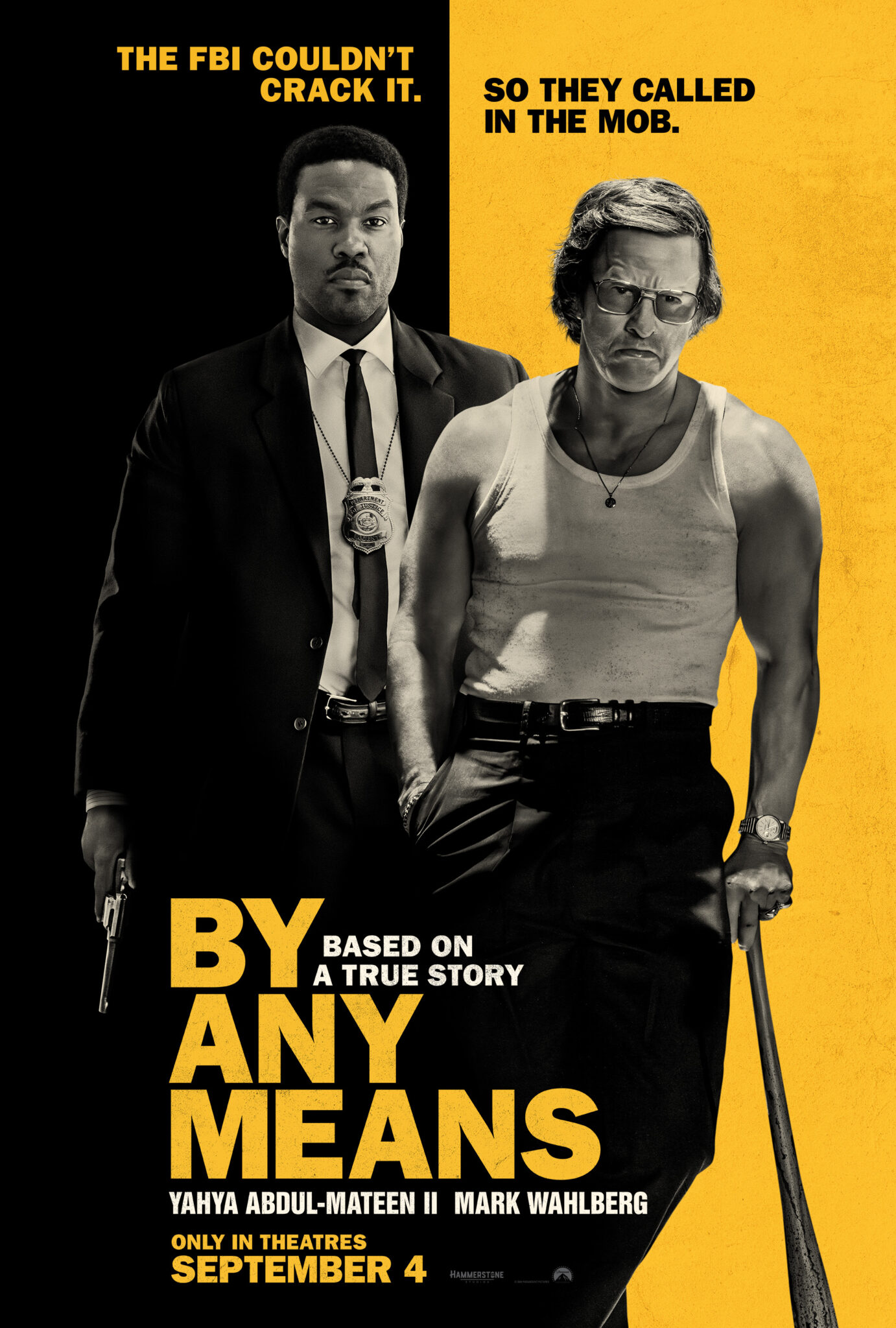
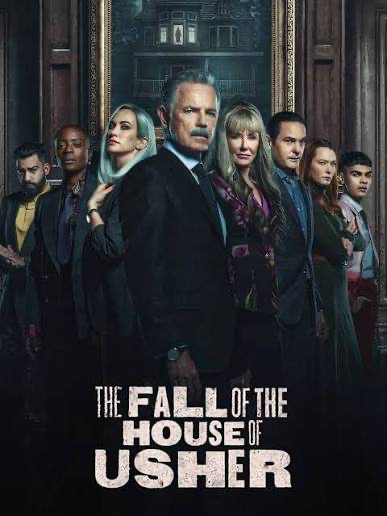
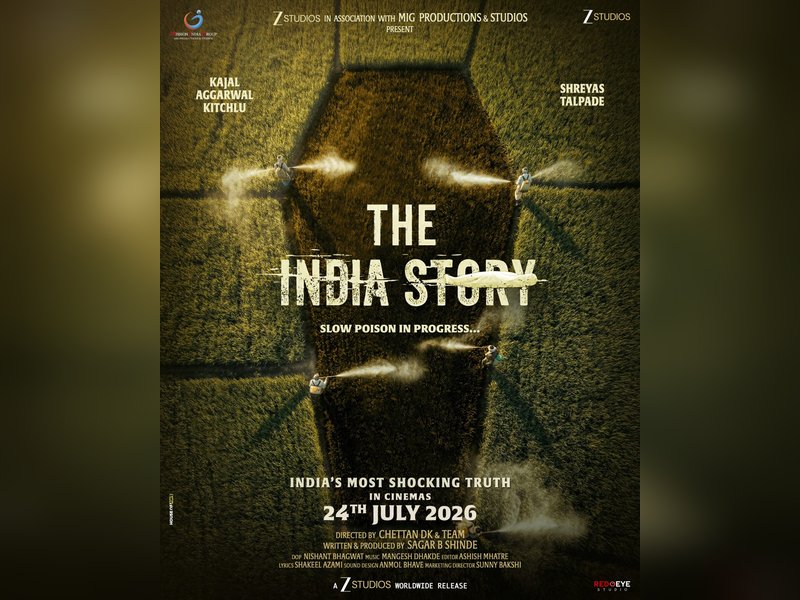
There was a time when entertainment coverage could be organised around a fairly simple question: what is releasing this Friday? That question still matters, but it no longer describes how most people actually discover what to watch. A single week can now contain a theatrical release, a Netflix series, an Apple TV movie, a new season of a long-running show, an Indian-language film arriving on a global platform and an older title suddenly finding a second life because someone recommended it.
The calendar has become fragmented. The job of entertainment writing should therefore become more useful, not more frantic.
A release date is only the beginning
A date tells a reader when something arrives. It does not tell them what the thing actually is. Is it a six-episode drama or a two-hour film? Is it based on a book? Is it inspired by real events? Is it a continuation of an existing franchise? Is the original language Hindi, Tamil, Telugu, Malayalam, English or something else?
Is it available in India? Does the title require prior knowledge of another story? Those questions are often more useful than a generic paragraph saying that a new release is “exciting.”
Streaming has multiplied the context
The more platforms expand, the less helpful a single universal “what to watch” list becomes. A reader in India does not have exactly the same catalogue as a reader in another country. A film might be available in one territory and absent in another. A platform might announce a title months before a date becomes fixed. A series can arrive in parts rather than all at once.
Good coverage has to acknowledge those differences instead of hiding them.
This is where entertainment websites can become genuinely useful
The internet already has an enormous number of short pages that repeat the same facts. Cast. Release date. Trailer. One paragraph. Done. That can be useful as a basic reference, but it does not create much of a relationship with a reader. A stronger article answers the next question too. Why does the premise matter?
What is the format? Who is actually making it? What is confirmed and what is still unknown? What should a reader understand before pressing play? Those are small differences, but they add up.
The problem with pretending everything is a review
There is another temptation in entertainment publishing: turning every title into a review before the writer has actually experienced it. That creates a credibility problem. A factual guide can say what a platform has officially announced. A review should say what the writer actually experienced. Those are different jobs.
There is nothing wrong with publishing a guide before a review exists. In fact, a good guide can make the later review more useful because the reader already knows the basic context.
Indian entertainment needs even more context
India’s streaming ecosystem is unusually diverse. Language is not decoration. It changes the kind of story being told, the performance traditions involved, the audience being addressed and often the cultural references a viewer is expected to understand. A site covering Indian entertainment should therefore resist the idea that everything can be flattened into one broad “Indian content” category.
Hindi, Tamil, Telugu, Malayalam, Kannada, Bengali and other industries deserve room to exist on their own terms while still sitting inside the same wider entertainment conversation.
What we want Nilaanjan.stream to do
The goal here is not to publish the largest number of pages possible. The goal is to build a library people can actually use. That means separating facts from opinion, separating guides from reviews, stating uncertainty when a platform has not announced something, and giving every article a reason to exist.
Sometimes the most useful sentence in an entertainment article is the one that says: this is what we know, and this is what we do not know yet. That is not a weakness. It is the beginning of trustworthy coverage.
Sources
- Netflix — New Indian Movies and Series Coming to Netflix in 2026: https://www.netflix.com/tudum/articles/new-indian-movies-shows
- Netflix India — Indian Movies & TV: https://www.netflix.com/in-en/browse/genre/100381
- Apple TV India — Coming to Apple TV: https://tv.apple.com/in/room/coming-to-apple-tv/edt.item.634859dd-55a5-44a0-91d5-f9ec0d181bae
Related reading
- Indian Streaming Is No Longer One Market — It Is a Collection of Audiences
- Should You Watch a Movie or Start a Series? A Simple Way to Decide
- What a Real Entertainment Review Should Tell You That a Synopsis Cannot
- Lock Upp (2026): Cast, Format, Story & Where to Watch
- India’s Got Latent Season 2: Release Schedule, Format & Where to Watch
What do you think?
Share your thoughts, reactions, or perspective. Comments are moderated before they appear publicly.
Leave your thoughts