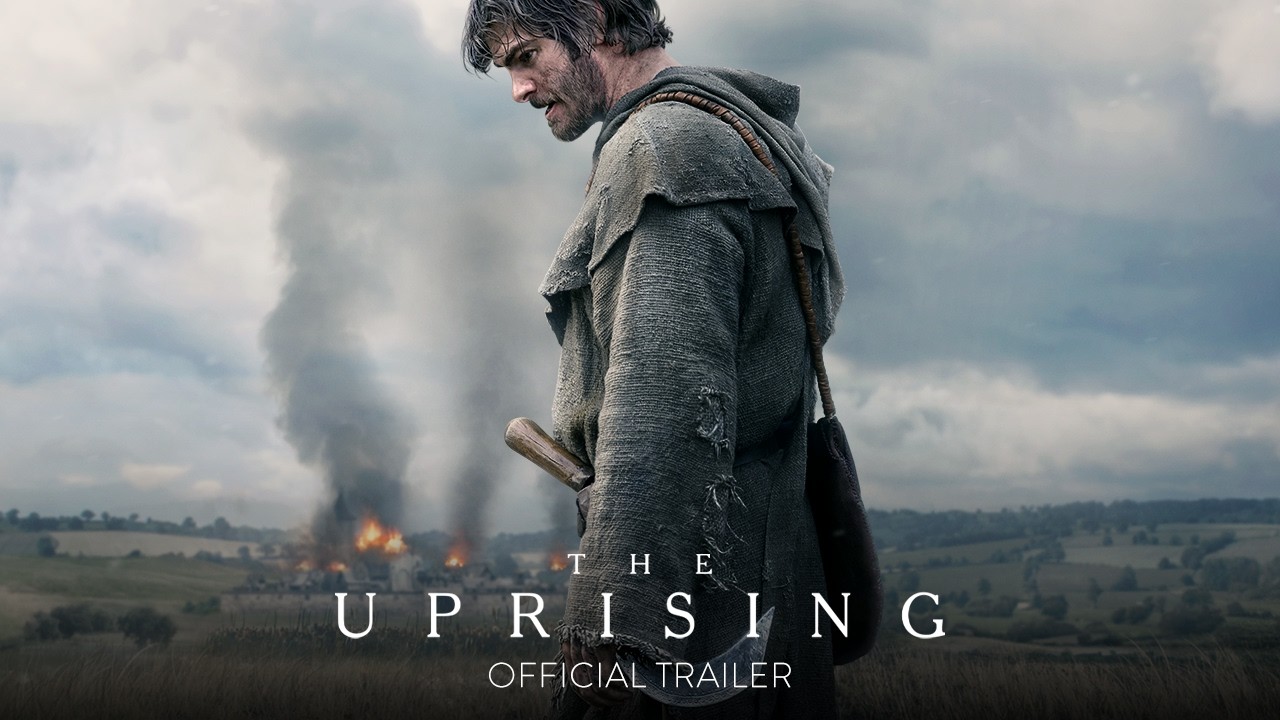
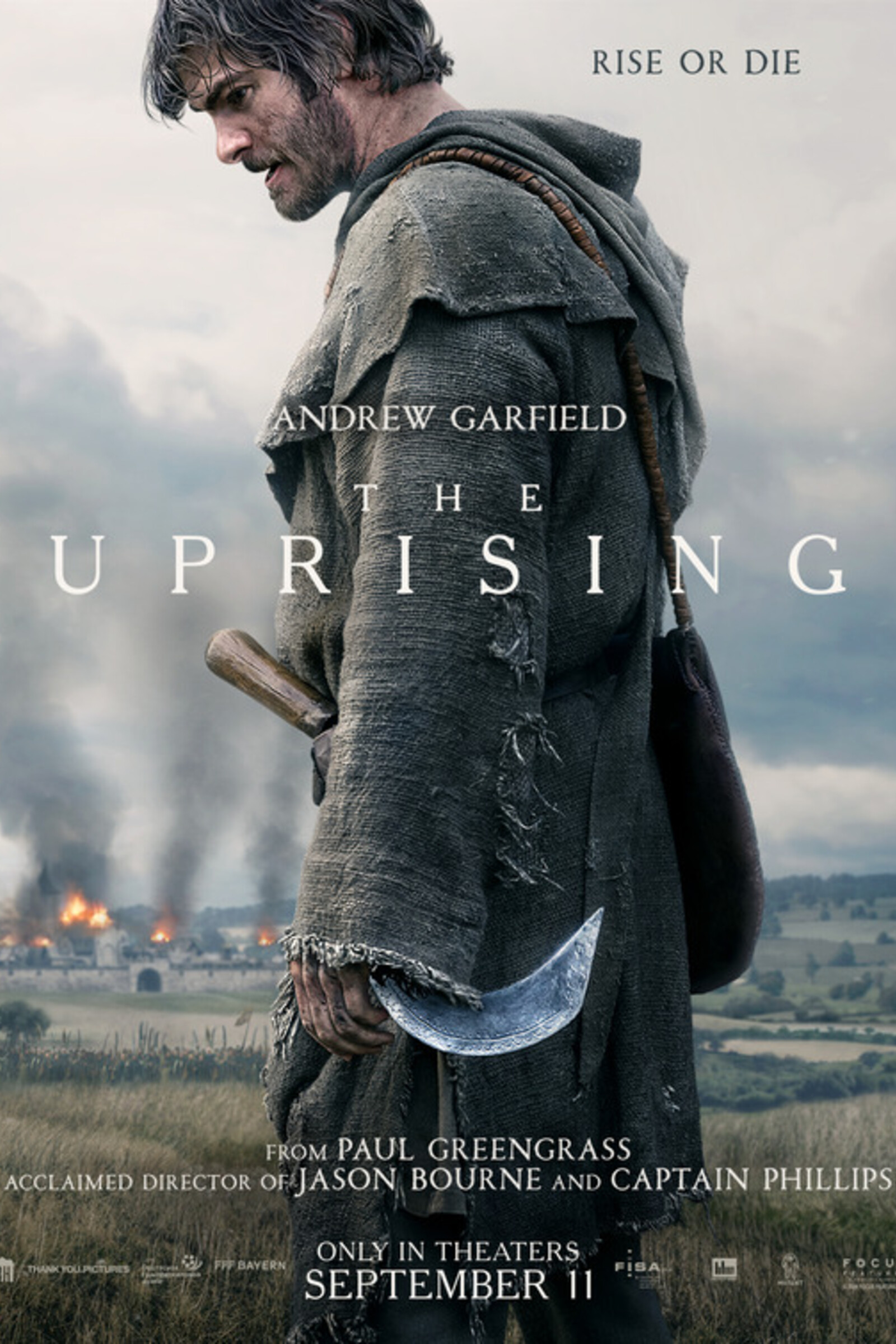
The Uprising Review: A Brutal Period Epic Undone by Its Shaky Camera
The Uprising delivers an intense and beautifully realized period drama with Andrew Garfield at its centre, excellent costumes, atmosphere and soundtrack — but its relentless shaky camera seriously damages the viewing experience.
The Uprising Review
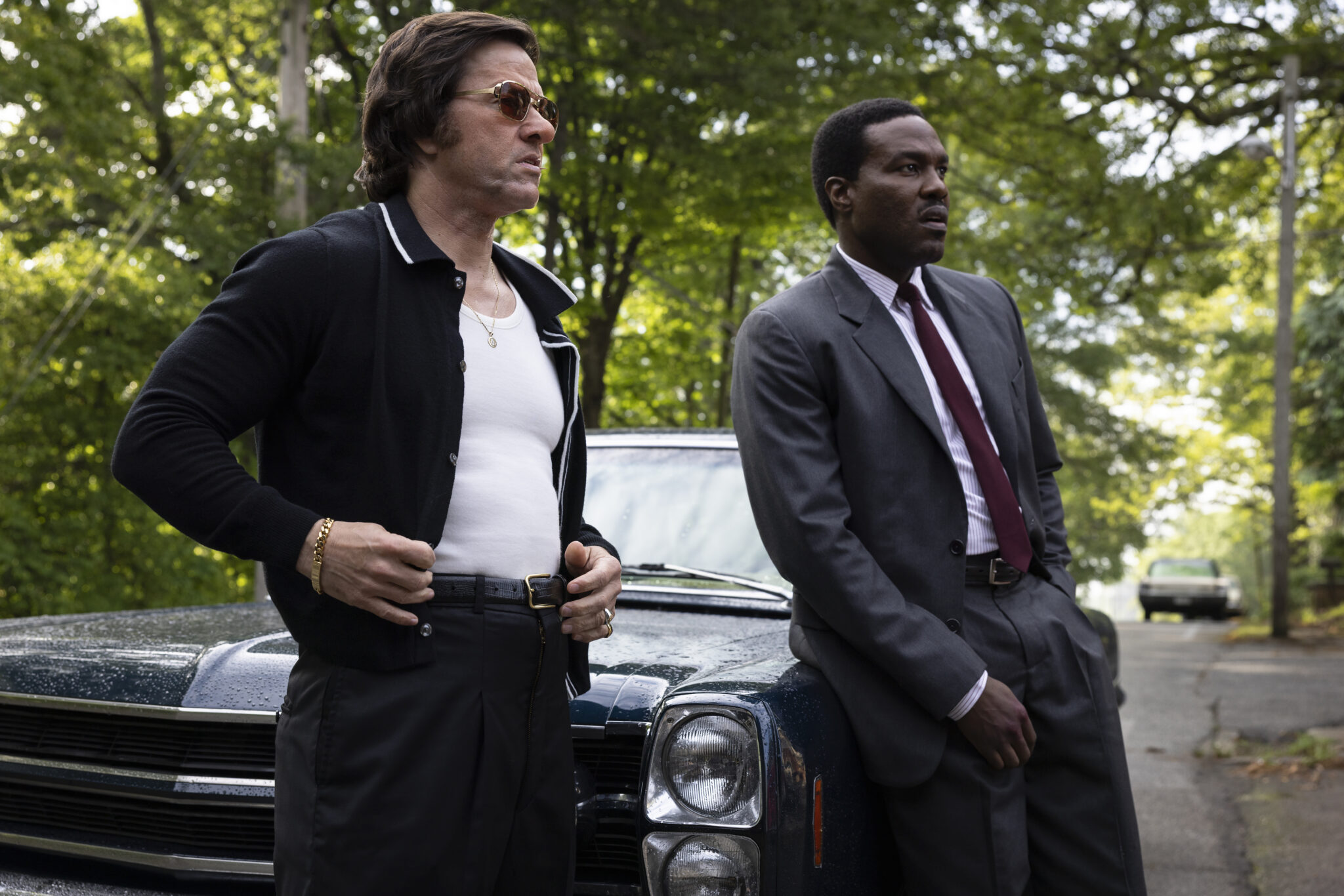
There are some films that you watch knowing almost immediately that they are going to be a one-time watch. The Uprising is one of those films for me. It has plenty going for it: an intense setup, a strong period atmosphere, convincing costumes, a beautifully constructed world and a soundtrack that understands the weight of the story. Andrew Garfield also brings the kind of physical and emotional intensity that reminded me of his work in Hacksaw Ridge.
But there is one filmmaking choice here that became increasingly difficult to tolerate — the camera.
An Intense Setup
The Uprising wastes very little time establishing the brutality and instability of its world. The film immediately feels harsh, dangerous and deeply uncomfortable, which is exactly what a period story built around rebellion and social upheaval should feel like.
The story itself is good. There is enough conflict, tension and human desperation to keep the film moving, and the central idea has genuine weight. It never feels like a completely empty historical spectacle. There is a real story underneath all the violence and chaos.
Andrew Garfield is also a major reason the film works as well as it does. His performance carries the physical exhaustion and emotional intensity of the character, and there were moments when I couldn’t help but think back to Hacksaw Ridge. There is a similar ability to make a character feel like he is being pushed through an increasingly brutal situation.
The Period Setting Works
One of the strongest aspects of The Uprising is how convincingly it creates its period world.
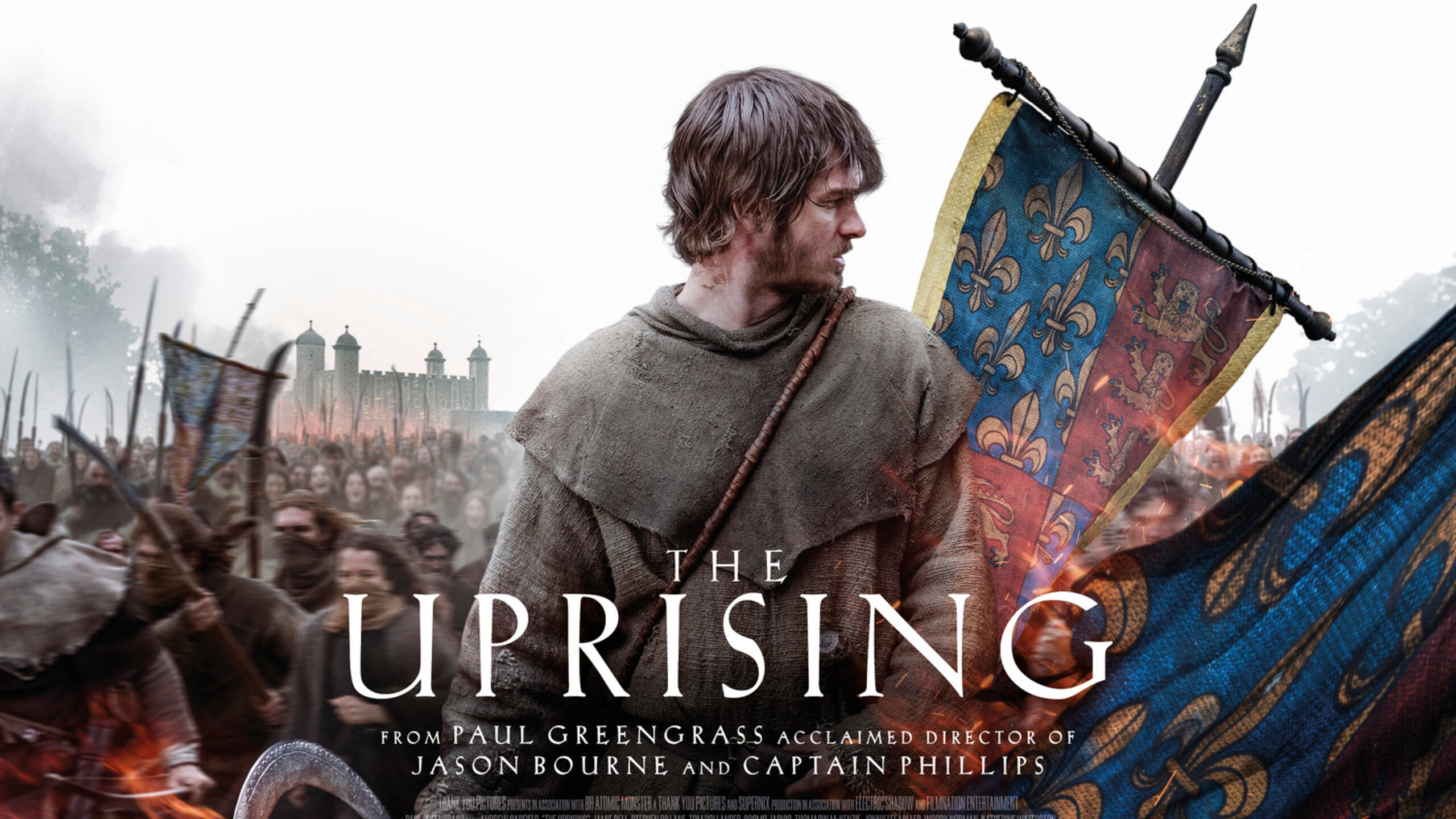
The costumes work. The ambience works. The locations and production design help establish the feeling of another time, and the soundtrack adds another layer of atmosphere. When the film slows down enough to let those elements breathe, it can look and feel like a proper period epic.
This is where I found myself wishing the film had gone even further.
The language and dialogue do not always feel as rooted in the period as the visuals. For a film that puts so much effort into its costumes and atmosphere, I wanted the speech patterns and language to do more of the same. More distinctive period language would have made the world feel even more authentic.
And Then There Is That Shaky Camera…
This is easily my biggest problem with the film.
What the hell was wrong with the director and cameraman?
The shaky-camera style is not something I occasionally noticed. I was constantly aware of it. During some sequences, the camera shakes so aggressively that it becomes physically uncomfortable to watch.
There is a difference between using handheld camerawork to create urgency and making the audience feel like the camera itself is having a medical emergency.
Here, the constant movement started giving me a headache. At points it was genuinely nauseating. My head was spinning, and by the time some of the more intense sequences were over, I was feeling actual eye strain.
I understand the intention. The filmmakers clearly want the audience to feel trapped inside the chaos, violence and confusion of the uprising. But when the technique becomes this aggressive, it stops immersing me in the story and starts pulling me out of it.
I shouldn’t be thinking about whether I need to look away from the screen when I’m supposed to be emotionally invested in the scene.
The film didn’t need a calmer visual style everywhere. Some instability absolutely makes sense for this kind of story. But there needed to be a much better balance between controlled movement and outright camera shake.
For me, this is the single biggest thing holding The Uprising back.
The Story Is Better Than the Experience
What makes this particularly frustrating is that the story underneath all of this is actually good.
There is a compelling sense of rebellion, desperation and social upheaval running through the film. The violence has consequences, the characters are pushed into increasingly difficult situations, and the period setting gives the conflict a scale that works well on screen.
The film understands that a historical uprising isn’t simply about battles. It is also about ordinary people being pushed beyond what they can tolerate.
There are moments when everything comes together — the performances, production design, music and scale — and the film feels like the period epic it clearly wants to be.
Unfortunately, those moments are repeatedly interrupted by the camerawork.
The Violence Is Not Easy Viewing
The film is intense, and some of its violence is deliberately difficult to watch.
That isn’t necessarily a criticism. A story like this shouldn’t feel comfortable. The brutality is part of the world and helps communicate the desperation of the characters.
But combined with the relentless handheld camerawork, the experience becomes even more exhausting.
There were moments when I wasn’t thinking about what was happening to the characters anymore. I was thinking about when the camera was going to stop shaking.
That’s not where you want the audience’s attention to go.
An Ending That Doesn’t Quite Land
The ending also left me somewhat unsatisfied.
It isn’t that the story suddenly becomes bad. Rather, after everything the film puts the characters and the audience through, I wanted a conclusion that felt a little more emotionally complete.
Instead, I was left with the feeling that the journey had been stronger than the final payoff.
It works, but it didn’t quite give me the satisfaction I was hoping for.
Final Verdict
The Uprising is a good film buried underneath one seriously frustrating filmmaking decision.
The story works. Andrew Garfield is intense and committed. The period setting is convincing. The costumes are excellent, the ambience is strong and the soundtrack fits the material beautifully.
But the shaky camera is simply too much for me.
A little handheld movement can create urgency. This film sometimes seems determined to make the entire screen move with it. The result was headaches, nausea, eye strain and, at times, a genuine struggle to keep watching.
I also wanted more convincing period language, and the ending left me wanting a little more.
So where does that leave me?
Definitely a one-time watch. There is enough here to make the film worth experiencing, especially if you enjoy intense historical dramas and Andrew Garfield’s performances. But I don’t see myself returning to it.
The Uprising had a story that deserved a steadier camera.
Rating: 6.5/10
Keep exploring
More reviews across movies, series, games, products, restaurants and food — all in one place.
Go deeper
More to Explore
Reviews are only part of the conversation. Explore related stories, guides and ideas.
Tenzing (2026): Release Date, Cast, True Story & Where to Watch
Tenzing is Jennifer Peedom's Apple Original Films drama about Tenzing Norgay and the 1953 Everest expedition. Here is the verified release date, cast, story and streaming information.
Read more →Indian Spy Thrillers to Watch After Special Ops
Finished Special Ops? Here are Indian spy thrillers and intelligence dramas to explore next, from The Family Man and Mumbai Diaries to newer takes on the genre.
Read more →What to Watch After Panchayat: Indian Series With Heart, Humour & Community
Finished Panchayat and want another Indian series with warmth, humour and memorable characters? Here are series to explore next, across comedy, family drama and small-town stories.
Read more →More than a rating
A rating is only the final expression of the review. The real value is in the argument, the context, and whether this is something I would actually recommend spending your time on.
Stay in the loop
Follow Nilaanjan
Get new movie and series reviews, OTT guides, explainers and selected entertainment stories delivered to your inbox.
What do you think?
Share your thoughts, reactions, or perspective. Comments are moderated before they appear publicly.
Leave your thoughts